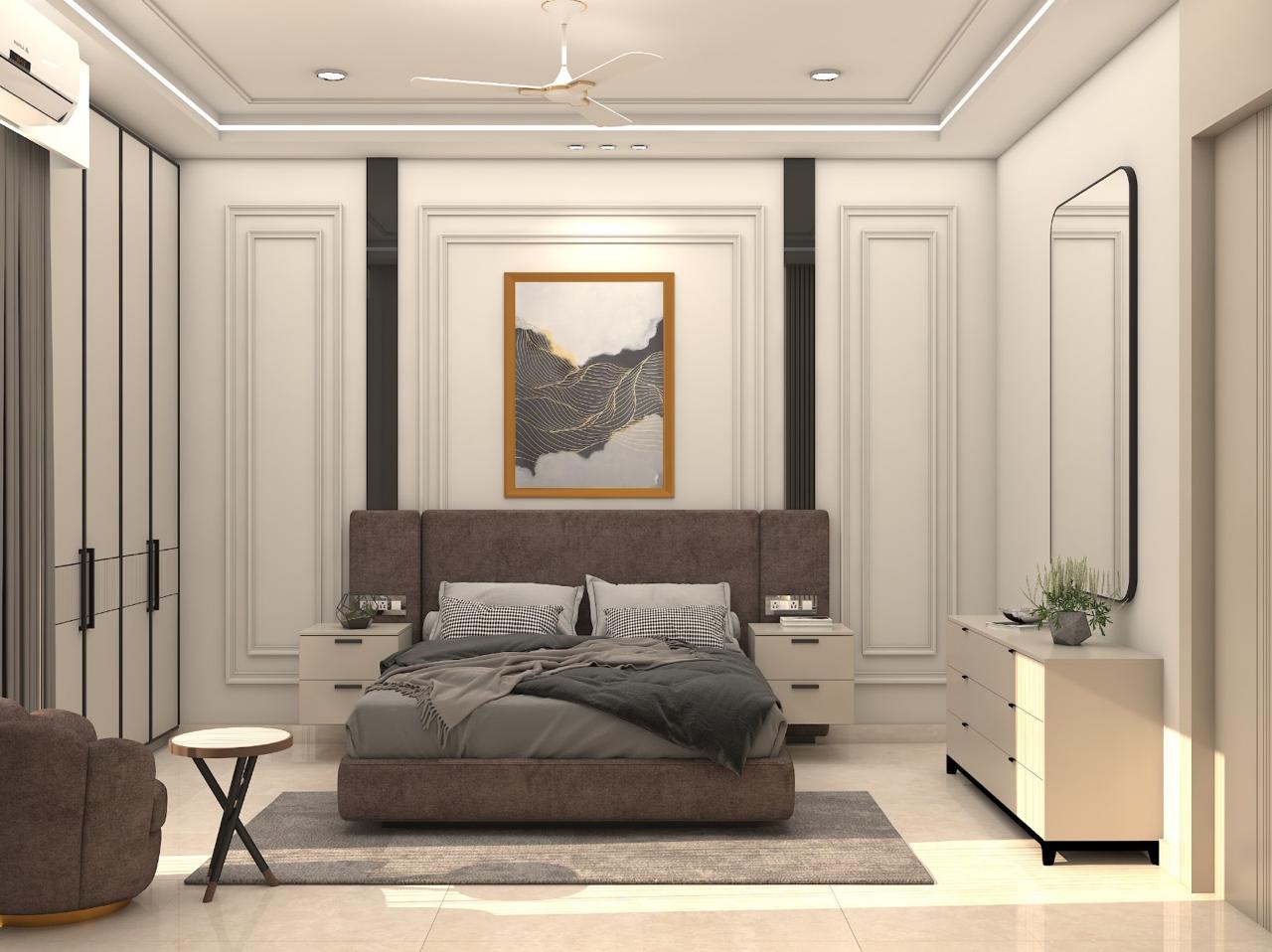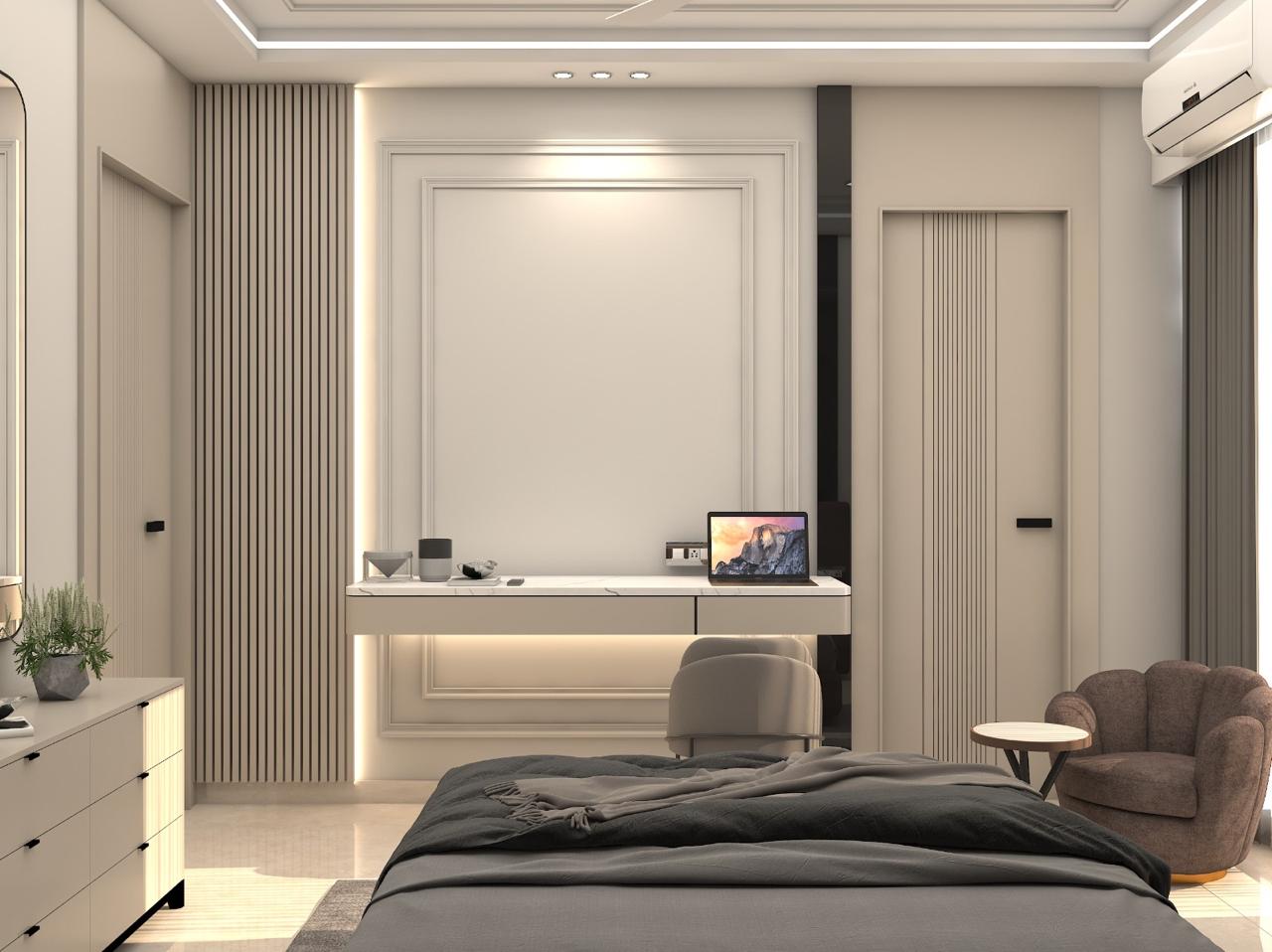
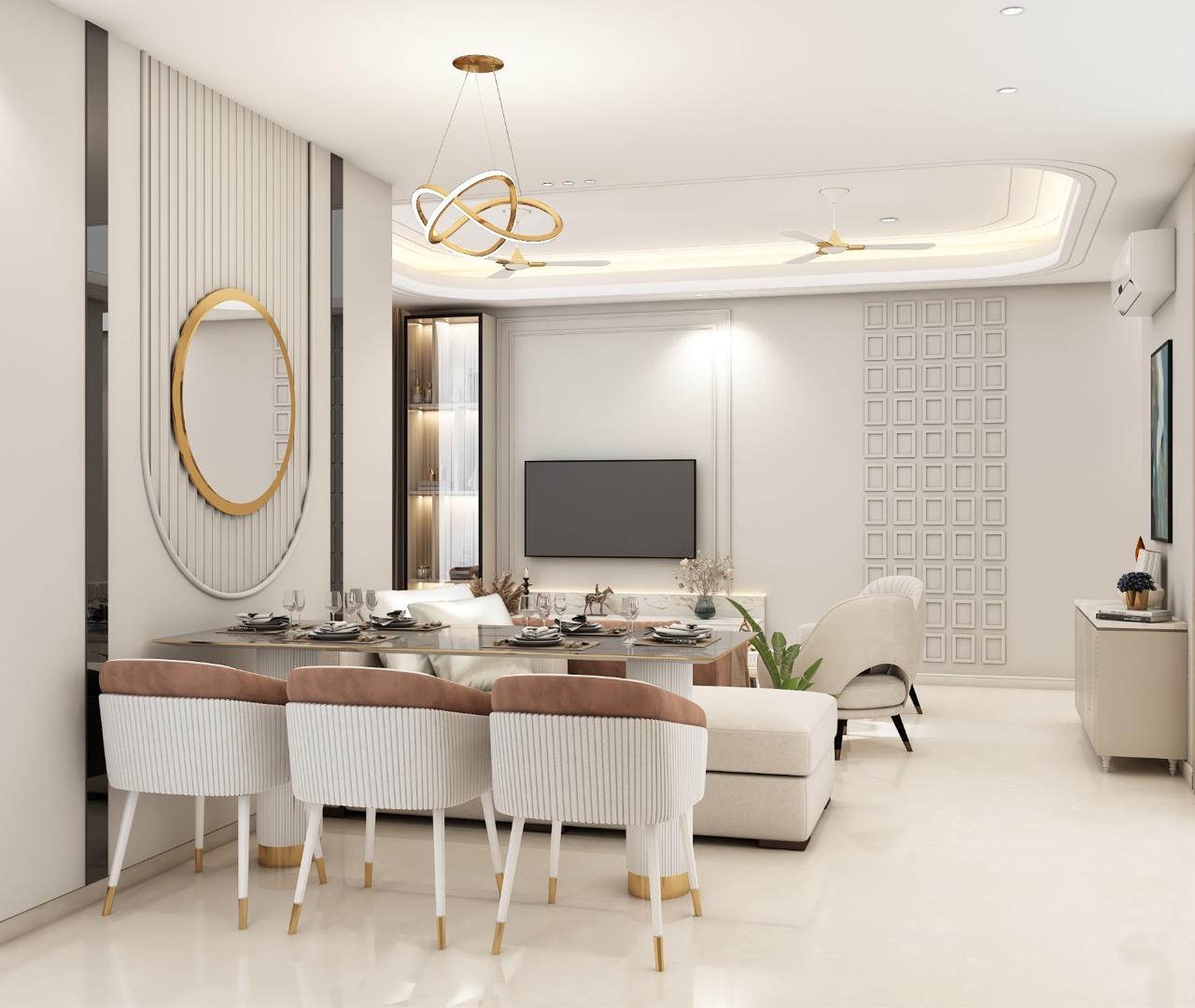
Architecture is an art form that marries creativity with functionality, shaping the spaces where we live, work, and play.
A deep understanding of the site is the first step in any successful architectural project. Every location's unique characteristics—topography, climate, and context—influence design decisions. Analyze these factors: how does sunlight move across the site? What are the prevailing winds? Are there views to highlight or obstacles to consider? A design that harmonizes with its surroundings not only enhances the aesthetic appeal but also improves functionality and energy efficiency.
While aesthetics are important, functionality should always come first. Consider how the spaces will be used and how people will interact with them. Think about the flow of movement within the building—how do people enter and exit? Are there barriers to accessibility? Flexibility is also key; design spaces that can adapt to changing needs over time. A well-thought-out layout can significantly enhance the user experience and longevity of a space.
In today’s world, sustainability is more important than ever. Incorporating eco-friendly materials and energy-efficient systems into your designs not only reduces environmental impact but can also lead to long-term cost savings. Consider passive solar heating, natural ventilation, and rainwater harvesting systems. By making sustainable choices, you’re not just building for today but for future generations as well.
Scale and proportion play crucial roles in creating visually pleasing architecture. Pay attention to the relationship between different elements—how do they interact with each other and their surroundings? A balanced design feels cohesive and inviting. Use scale to create emphasis where needed, whether it’s highlighting an entrance or making a small space feel larger. The right proportions can evoke emotional responses, making spaces feel comfortable or grand.
The advancement of technology has transformed the field of architecture, making design processes more efficient and collaborative. Utilize tools like Building Information Modeling (BIM) and 3D visualization to enhance your projects. These technologies allow for better coordination among team members and can help identify potential issues before construction begins. Embracing technology can streamline your workflow and improve the overall quality of your designs.
By keeping these five tips in mind, you can approach architecture with a fresh perspective, balancing creativity with practicality. Whether you're designing a new building or renovating an existing space, these principles can guide you in creating environments that are not only beautiful but also functional and sustainable. Happy designing!