Functional kitchens combine aesthetics with practicality to create spaces that are not only visually appealing but also efficient, organized, and comfortable. Whether you’re building a new kitchen or renovating an old one, expert kitchen design services can help you make the most of your space while maximizing storage, workflow, and style.
Why Choose Functional Kitchen Design?
- Maximize Kitchen Efficiency : One of the primary goals of designing a functional kitchen is to ensure that the space is efficient and well-organized. Professional designers understand the importance of the "work triangle"—the relationship between the sink, stove, and refrigerator—and can plan the layout to optimize your cooking process. With thoughtful space planning, your kitchen becomes a highly functional space where tasks are completed quickly and easily.
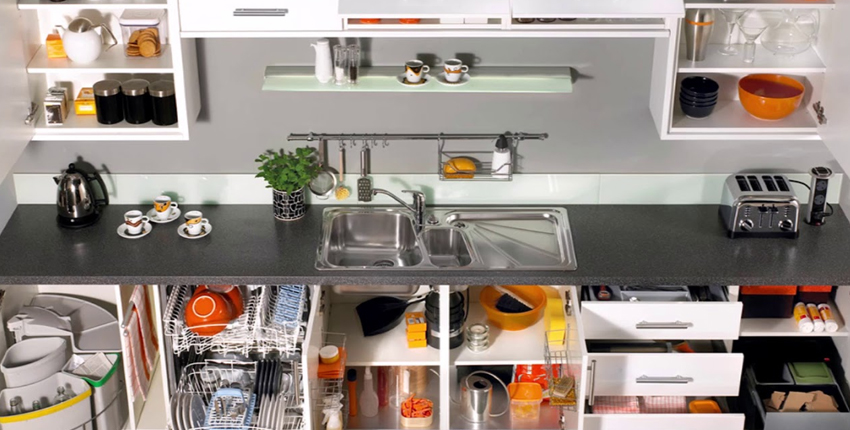
- Smart Storage Solutions : A well-designed kitchen maximizes storage by incorporating clever storage solutions. From pull-out pantry shelves and deep drawers to custom cabinetry and built-in appliances, the goal is to make your kitchen organized and clutter-free. Whether you have a small apartment kitchen or a large gourmet kitchen, functional storage options ensure that everything has its place, making cooking and cleaning easier.
- Stylish and Personalized Design : Functional kitchens are not just about utility—they should also reflect your personal style. Whether you prefer a contemporary, rustic, or minimalist design, a professional kitchen designer can incorporate your preferences into the design while maintaining functionality. From the choice of materials, colors, and finishes to the selection of stylish appliances and fixtures, every detail is considered to create a beautiful space that suits your taste and needs.
- Enhance Safety and Comfort : Kitchen safety is a key consideration in any functional design. A well-designed kitchen ensures that there are no hazards and that the layout allows for safe movement around the cooking and preparation areas. Whether it's adding non-slip flooring, proper lighting, or child-proofing cabinets, an expert kitchen designer prioritizes your safety. Comfort is also essential—ergonomically designed countertops, cabinets at the right height, and comfortable flooring materials can make cooking a more enjoyable experience.
- Budget-Friendly Options : Designing a functional kitchen doesn’t have to break the bank. An experienced designer can work with you to find budget-friendly solutions that meet your needs. Whether it’s choosing cost-effective materials, optimizing layouts for efficient space usage, or finding quality yet affordable appliances, functional kitchen design can be achieved within your budget without compromising on style or performance.
Functional Kitchen Design Process
The process of designing a functional kitchen typically involves the following steps:
- Initial Consultation: The designer discusses your goals, cooking habits, and preferences. They assess the size of the space and your desired functionality.
- Space Planning and Layout: The designer develops a layout that maximizes flow and efficiency, incorporating the work triangle and smart storage solutions.
- Design Concept: Once the layout is approved, the designer creates a detailed concept that includes materials, finishes, appliances, and color schemes.
- Execution and Installation: The design is brought to life, with contractors and suppliers carrying out the renovation or new build according to the design plan.