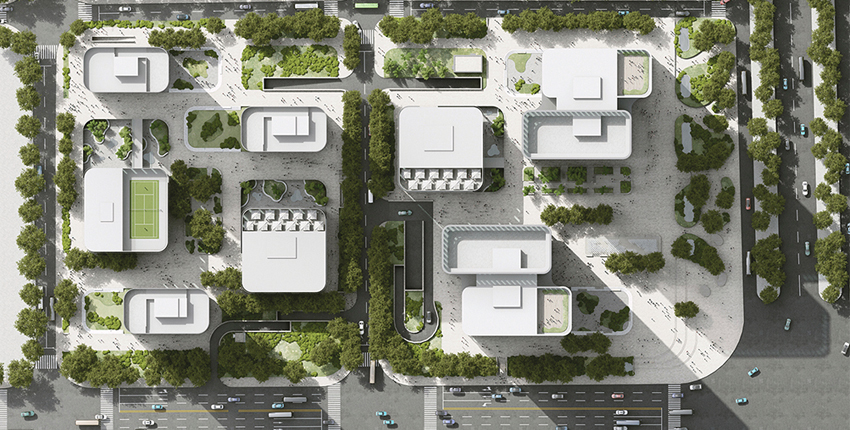
Site planning is the process of designing and organizing the layout of a property to maximize its potential, functionality, and sustainability. Whether for residential, commercial, or public spaces, professional site planning ensures that land is used efficiently, meeting both aesthetic and practical requirements. Site planning is essential in guiding the development of properties, ensuring proper land utilization, environmental sustainability, and future-proof infrastructure.
Why Site Planning is Important
- Efficient Land Use : Effective site planning maximizes the use of available space. By understanding the unique characteristics of the land, including its topography, climate, and surroundings, site planners create layouts that efficiently use every square foot. Whether it’s a residential plot, commercial building, or large-scale urban development, optimizing land use is key to creating functional and valuable spaces. Proper site planning can enhance traffic flow, accessibility, and overall space functionality.
- Environmental Sustainability : With the increasing focus on sustainability, site planning plays a vital role in designing eco-friendly spaces. Professional site planners incorporate green practices into the design by considering factors such as water management, energy efficiency, and the preservation of natural habitats. Sustainable site planning may involve strategies like rainwater harvesting, the use of native plants, and low-impact development methods. Incorporating these elements ensures the project has minimal environmental impact and contributes to a healthier ecosystem.
- Regulatory Compliance : Site planning ensures that the design complies with local building codes, zoning regulations, and environmental laws. Adhering to these requirements is crucial for the smooth approval of construction projects and avoiding legal issues. Professional site planners have in-depth knowledge of these regulations and ensure that the design process complies with all necessary guidelines, avoiding costly delays and penalties.
- Maximizing Property Value : Well-planned sites add value to properties. Whether for commercial or residential purposes, a site that is carefully planned will attract potential buyers or tenants. Aesthetically pleasing, functional, and sustainable designs lead to increased property value, better marketability, and long-term investment. Proper planning can transform an otherwise underutilized piece of land into a thriving, profitable space.
- Creating Functional Outdoor Spaces : Site planning focuses on the design of functional outdoor spaces, such as gardens, parks, walkways, parking areas, and recreational facilities. The goal is to create spaces that encourage movement, accessibility, and interaction while enhancing the aesthetic value of the environment. Whether for a community park, corporate campus, or private property, functional outdoor spaces can transform how people engage with the land and its surroundings.
Site Planning Process
The site planning process typically includes several key stages:
- Site Analysis: The first step involves assessing the land’s physical attributes, including topography, vegetation, climate, and existing infrastructure. The site analysis helps identify opportunities and constraints for design.
- Design Concept: Based on the analysis, the site planner develops a concept that reflects the client’s needs and vision while respecting the environment. The design includes layout plans, zoning, and placement of structures.
- Regulatory Review: The design is then reviewed to ensure it complies with zoning codes, building permits, and environmental regulations. This stage may require adjustments to meet compliance standards.
- Implementation and Development: Once approved, the site plan is implemented with construction and landscaping. The site planner may work with architects, engineers, and contractors to ensure the design is executed correctly.